Shipping containers have evolved far beyond simple steel boxes. However, many people still misunderstand what modern container modifications can achieve. As a result, businesses often overlook flexible, cost-effective solutions that suit real operational needs. Below, we clear up the most common misconceptions about shipping containers and explain how modifications can unlock your business’ true potential.
Myth 1: Shipping Containers Can’t Be Customised
Many people believe shipping containers come as fixed units. In reality, container modifications allow almost unlimited customisation.
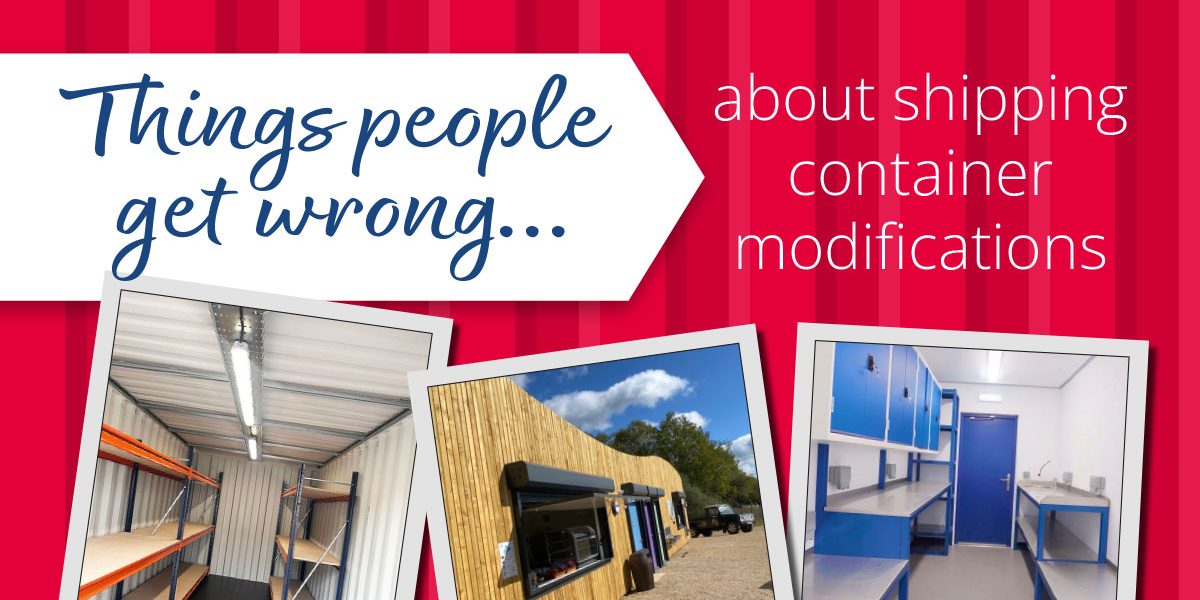
Lion’s expert conversions team can engineer a whole host of customisations. These can include cutting openings for doors, windows, shutters and vents. They also install electrics, insulation, lining and flooring. The most popular modifications with our clients involve branding the units to match their business’ colour scheme and general aesthetic.
Containers can be modified into retail spaces, visitor centres, testing units and much more. With the right modifications, each unit fits its purpose precisely.
Myth 2: A “New” Container Means It Has Never Been Used
This misconception appears frequently in container sales. The term “new container” does not mean that it has not been used since its manufacture- it means it has been used on one trip only.
A one trip container completes one cargo journey from the manufacturer. As a result, it arrives in excellent condition. These containers boast clean interiors, strong floors and minimal wear.
One trip containers suit most modifications because they minimise refurbishment work. Therefore, they deliver better long-term value for conversion projects.
Myth 3: Shipping Containers Only Provide Storage
Many businesses still use shipping containers for storage, but modifications open them up to many other uses.
Converted containers can be used as offices, pop-up bars, indoor farms, and retail units. They also work for schools and agricultural operations.
Because modifications adapt layouts and internal systems, containers are ideal for both temporary and permanent uses. They therefore offer much more flexibility than traditional buildings.
Myth 4: Shipping Containers Never Need Planning Permission
This myth causes confusion and delays. The movable nature of shipping container projects often removes the need for planning permission, although some projects still require approval. This is something worth checking before placing your order, so as to alleviate unnecessary delays.
Rules depend on location, duration and intended use. Therefore, early planning matters. Check with your local authority to understand the regulations and help avoid costly mistakes.
Why Container Modifications Make Sense
Container modifications boast unrivalled adaptability. They reduce build time compared to traditional construction, often proving more cost-effective and environmentally friendly.
Furthermore, they support future changes. Units can be relocated, added to, or reconfigured as your needs evolve. This flexibility makes shipping containers a smart, long-term investment.
Summary
Shipping containers no longer mean basic storage or shipping-only use. Modern modifications transform steel units into adaptable spaces for almost any industry. Want to know more? Click here to see what shipping container conversions Lion has completed lately.
Why Choose Lion Containers for Container Modifications?
Lion Containers specialises in modifications that work for you long-term.
Lion delivers:
- Strong, purpose-built layouts
- Compliant fire and safety features
- Durable finishes for daily use
- Clear timelines and reliable delivery
Contact our conversions team today to get started on your container project.
FAQs- Container Modifications
What are container modifications?
Modifications adapt shipping containers for specific uses such as storage, offices, retail or specialist environments.
How long do container modifications take?
Most modifications complete within three to eight weeks, depending on size and scope.
Can container modifications meet safety regulations?
Yes. Lion’s specialists design containers to meet fire, electrical and environmental standards.